

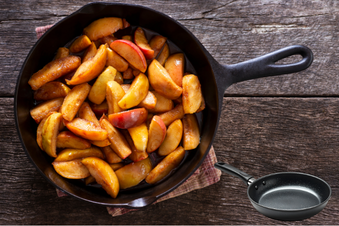
Buying your first cast iron skillet — or cast iron frying pan, if that’s the term you grew up with — shouldn’t feel like a gamble. Yet most guides either drown you in American terminology that doesn’t map cleanly onto UK kitchens, or they skip straight to seasoning tips without answering the question you actually have first: which one should I buy?
This guide is written for that exact moment — standing in front of a size chart, wondering whether 8 inches is too small, whether your induction hob rules certain pans out, and whether “pre-seasoned” is a genuine head start or just marketing. By the end, you’ll know exactly what to look for, what to skip, and which size suits your kitchen.
What Makes Cast Iron Different From Other Cookware
Before comparing skillets, it helps to know why cast iron behaves so differently from the non-stick or stainless steel pans most UK kitchens already have.
Cast iron is dense and slow to heat, but once hot, it holds that heat far longer and more evenly than thinner metals — which is exactly what you want for searing a steak, crisping potatoes, or getting a proper crust on cornbread. Unlike synthetic non-stick coatings, a well-maintained cast iron surface becomes naturally non-stick through a process called seasoning: thin layers of oil baked into the iron’s surface over repeated use, which also protects the bare metal from rust.
The trade-off is that cast iron needs a little routine care — a wipe and light oiling after use, rather than a squirt of washing-up liquid and a scrub. For most home cooks, that trade-off is worth it: a good cast iron skillet can genuinely outlast the person who bought it.
Skillet, Frying Pan, or Griddle? Sorting Out the Terminology
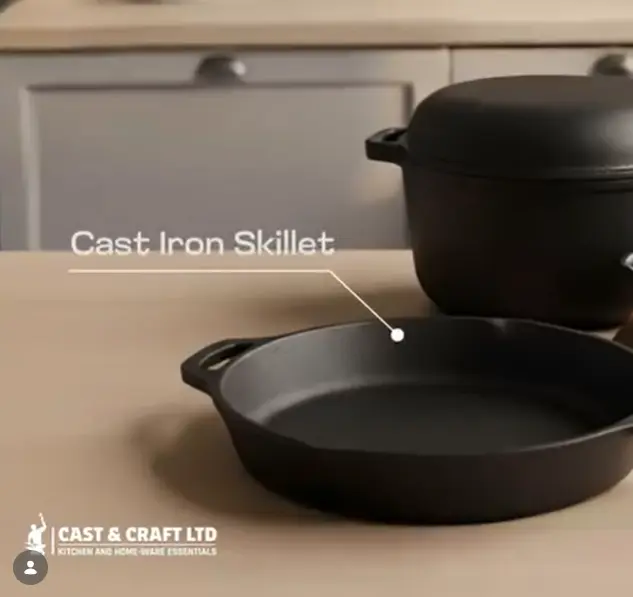
One of the more confusing parts of buying cast iron in the UK is the terminology itself. “Skillet” is the American term; most UK households historically call the same pan a frying pan. Retailers increasingly use both interchangeably, so don’t assume a “skillet” and a “frying pan” are different products — for a round, flat-bottomed cast iron pan, they’re the same thing.
Where it gets genuinely confusing is with adjacent products:
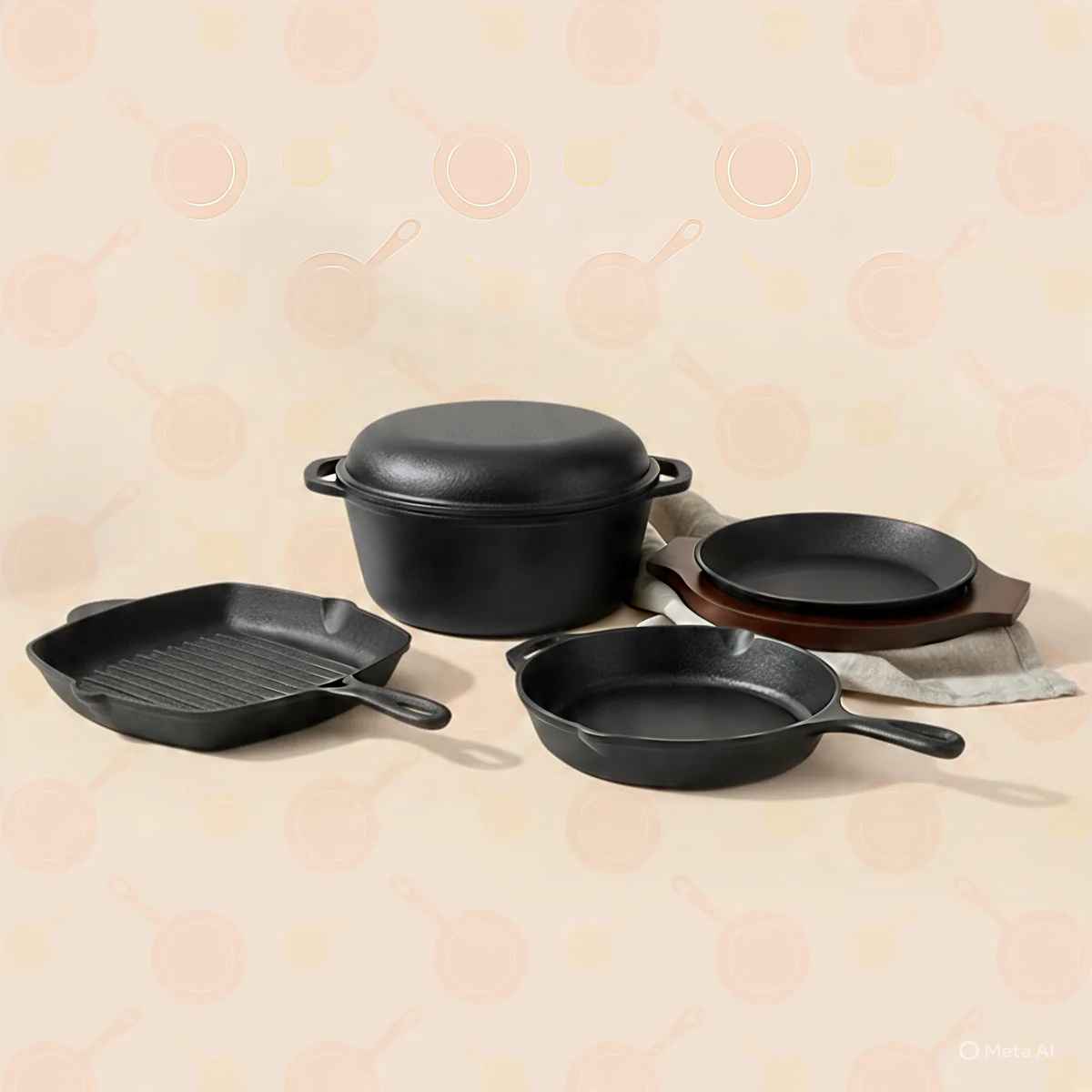
- Grill pan — ridged, for searing and sear marks, not to be confused with the shallow tray under a UK oven’s built-in grill
- Griddle — flat, wide cooking surface, sometimes reversible with a ridged side
- Tawa — a flat, round cast iron pan popular for roti, chapati, and dosa, common in South Asian cooking
- Dutch oven / casserole dish — a deep, usually lidded pot for stews and braises, not a skillet at all
If you’re only buying one piece to start with, a classic round skillet (frying pan) is the most versatile — it handles frying, searing, and oven-to-table dishes, and it’s the natural entry point before branching into our grill pans, tawas, or Dutch ovens later.
Key Factors to Consider Before You Buy
1. Size: What Fits Your Household
This is the single most common first-purchase mistake — buying too large, or too small, without thinking about who’s actually eating.
- 8 inch (20cm): Best for single portions, one or two eggs, or as a lightweight second pan. Easy to lift one-handed.
- 10 inch (25cm): The genuine all-rounder — enough room for 2–3 servings, a family breakfast, or a proper steak with space to spare.
- 12 inch (30cm): Built for batch cooking, searing multiple portions, or family meals of four or more.
If you’re only buying one, 10 inches is the size most UK cast iron cooks settle on as their most-used pan.
2. Pre-Seasoned vs. Raw Cast Iron
Almost every skillet sold in the UK today, including our own cast iron skillet range, arrives pre-seasoned — meaning it’s had an initial coating of oil baked in at the factory and is ready to cook with straight away. Raw, unseasoned cast iron does exist but requires several rounds of seasoning before it’s genuinely non-stick, and isn’t worth the extra effort for a first purchase.
3. Hob Compatibility — Especially Induction
This trips up more first-time UK buyers than any other factor. Not all cast iron is induction-safe by default, and with induction hobs now common in UK kitchens, it’s worth checking explicitly rather than assuming. Look for a pan that states compatibility with induction, gas, electric, and solid fuel hobs — some cast iron, particularly larger open-flame or campfire-style pieces, is deliberately gas/BBQ-only and will say so clearly in the product listing.
4. Handle Design
A single long handle is standard and lighter to manoeuvre. A second “helper handle” (a small loop opposite the main handle) makes a real difference once the pan is heavier, hot, and full — particularly on 10 inch and 12 inch sizes. If you’re buying a larger skillet, the helper handle is worth prioritising over saving a few pounds.
5. Enamelled or Bare Cast Iron
Bare cast iron (the traditional, seasoned kind) is what most people mean by “cast iron skillet” — it needs oiling and hand washing, but rewards you with genuinely non-stick performance over time. Enamelled cast iron has a coloured glass coating, doesn’t need seasoning, and is dishwasher-friendlier, but tends to cost more and doesn’t develop the same natural non-stick surface. For a first skillet aimed at searing and everyday frying, bare cast iron is the traditional and most budget-friendly choice.
6. Budget: What to Expect in the UK
Entry-level cast iron skillets in the UK typically start around £15–£20 for an 8 inch pan, with 10–12 inch sizes commonly landing between £25–£45 depending on brand and handle design. Premium imported brands can run well past £100 for a single pan — but for a first skillet, that premium buys brand heritage more than it buys performance. A solid mid-range pre-seasoned skillet will sear, fry, and last just as well.
Common Mistakes First-Time Buyers Make
- Buying the largest size “to be safe.” A 12 inch skillet is heavy — often 2.5kg or more when empty — and genuinely awkward for a single person cooking eggs. Match the size to your household, not your ambitions.
- Assuming all cast iron works on induction. Always check the listing explicitly, particularly for larger or specialist pieces.
- Washing with soap and a scourer on day one. This is fine occasionally once seasoning is well established, but repeated harsh washing strips a new pan’s protective layer faster than it can rebuild.
- Giving up after the first stick. New cast iron often sticks a little more than fully seasoned pans — this improves significantly with regular use, not less use.
- Ignoring the weight before buying. Cast iron is significantly heavier than non-stick or stainless steel of the same size. If wrist strength or storage space is a concern, an 8 or 10 inch pan is a more realistic daily pan than a 12 inch.
Seasoning and Caring for a New Skillet
Most pre-seasoned skillets are ready to cook with out of the box, but a quick seasoning refresh before first use helps build a stronger non-stick base. The routine is simple and applies to nearly every bare cast iron skillet:
- Rinse and dry thoroughly.
- Apply a very thin layer of cooking oil across the surface.
- Heat gently until the oil is fully absorbed.
- After each use, hand wash (skip the soap where possible), dry immediately, and reapply a light oil layer before storing.
If you want to go deeper on the chemistry behind why this process works, plenty of well-tested food science writing covers it in detail — but the short version above covers everything you need for day-to-day use. Pair this routine with our own care and accessories range if you want dedicated oil scrubbers to make it easier.
Is Cooking With Cast Iron Actually Healthier?
It’s a common claim, and there’s a grain of truth to it. Cooking acidic or moisture-rich foods in cast iron can transfer small amounts of dietary iron into food — genuinely useful for anyone managing low iron intake, though not something that should replace medical advice or supplementation where a deficiency is diagnosed. Iron is a mineral the body needs to produce healthy blood cells, and low dietary iron can contribute to iron deficiency anaemia over time. Cast iron won’t correct a diagnosed deficiency on its own, but as part of an ordinary UK diet, it’s a reasonable, low-effort bonus rather than the main reason to buy one.
UK-Specific Buying Considerations
A few things matter specifically for UK kitchens that many general buying guides — often written for a US audience — don’t cover:
- Oven temperatures are listed in Celsius, not Fahrenheit. Most quality cast iron is oven-safe to at least 260°C, comfortably covering the top end of a standard UK domestic oven.
- UK food safety compliance matters for cast iron with any coating or enamel — look for products confirmed lead- and cadmium-free and compliant with current UK food contact material regulations, which require that materials in contact with food do not transfer substances in quantities that could endanger health or unacceptably change the food.
- Induction hob prevalence in the UK has grown significantly in newer homes, making induction compatibility a genuinely common deciding factor rather than a niche concern.
- Delivery weight matters. A 12 inch cast iron skillet can weigh 2.5–3kg before packaging — worth checking a retailer’s delivery terms if you’re ordering multiple pieces at once.
What Most Buying Guides Get Wrong
Most cast iron buying advice online falls into one of two camps: heritage brand marketing dressed up as “guides,” or generic size charts with no UK context at all. Few address the actual first-time buyer questions — is this induction-safe, what does it weigh, does it meet UK food safety standards, and what size genuinely suits a household of two rather than a magazine photoshoot. This guide exists to close that gap, using the same specification detail we apply across our own cast iron skillet range.
Frequently Asked Questions
What size cast iron skillet should a beginner buy?
A 10-inch cast iron skillet is the most practical first purchase for most UK households — large enough for 2–3 servings, but still manageable to lift and clean one-handed.
Is a cast iron skillet the same as a cast iron frying pan?
Yes, in the UK these terms are used interchangeably — both describe a flat-bottomed cast iron pan for frying, searing, and oven-to-table cooking.
Do I need to season a pre-seasoned cast iron skillet before using it?
Not strictly, but a light re-seasoning before first use helps build a stronger non-stick surface and is recommended by most manufacturers, including our own.
Can cast iron skillets be used on induction hobs?
Most bare cast iron skillets are induction-safe, but not all cast iron cookware is — always check the specific product listing, particularly for larger or specialist pieces designed for gas or open-flame use only.
Is cast iron better than non-stick cookware?
Cast iron retains and distributes heat more evenly than non-stick, handles much higher temperatures, and lasts for decades with basic care — though it needs seasoning and hand washing, unlike synthetic non-stick coatings.
How much should a first cast iron skillet cost in the UK?
Expect to pay roughly £15–£45 for a quality pre-seasoned skillet depending on size, with 8-inch pans at the lower end and 12-inch pans at the upper end of that range.
Ready to Choose Yours?
If you’ve read this far, you already know more than most first-time buyers do walking into a shop. Browse our full cast iron skillet collection to compare sizes side by side, or check our buying guide for more detail on choosing between skillets, tawas, and grill pans
Further reading: Wikipedia — Cast-iron cookware · NHS — Iron deficiency anaemia · GOV.UK / Food Standards Agency — Food contact materials guidance
Leave a Reply