

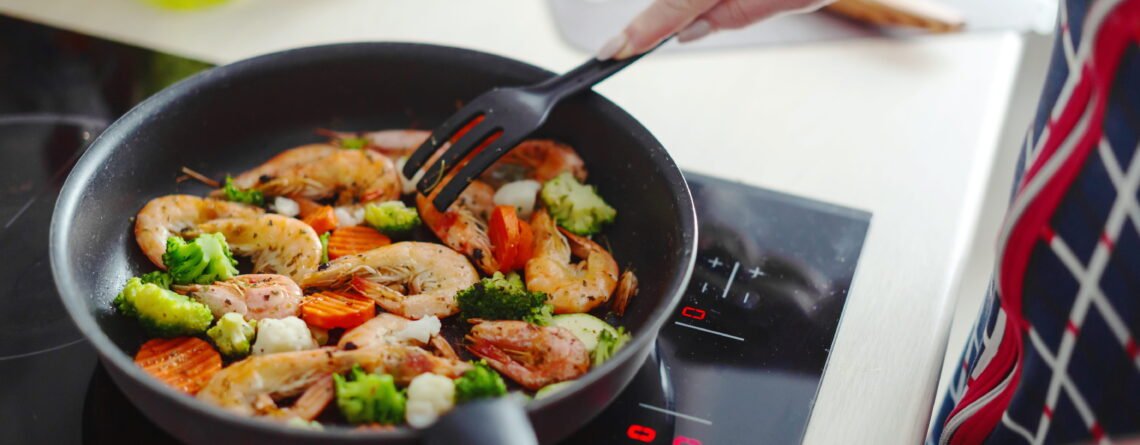
Cast iron cookware has been a trusted fixture in British kitchens for generations — from farmhouse ranges to modern induction hobs. Its durability, cooking performance, and versatility make cast iron cookware a practical choice for home cooks and professional kitchens across the UK. Whether you’re seasoning your first skillet or building a full cast iron cookware set, here’s why this material remains a kitchen essential in 2026 and benefits of cast iron cookware.
Why Choose Cast Iron Cookware?
1. Excellent Heat Retention and Even Cooking
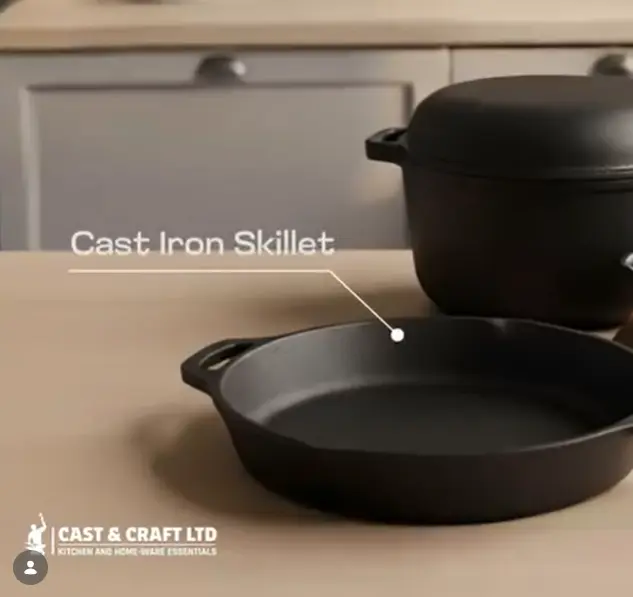
Cast iron retains heat for longer than most cookware materials, including stainless steel and aluminium. This even heat distribution means food cooks consistently across the entire surface of the pan, with fewer hot spots than lighter cookware. Because a cast iron skillet holds its temperature so well, it’s also ideal for serving food straight from hob to table while keeping meals warm — a favourite trick among UK restaurants using mini cast iron skillets as serving dishes.
2. Compatible with Every UK Heat Source
One of the biggest advantages of cast iron cookware is that it works everywhere. It performs on gas, electric, ceramic, and induction hobs, sits happily on an Aga or Rangemaster, goes straight into the oven for roasting or baking, and even holds up over an open campfire. For UK households moving to induction hobs, cast iron is one of the few materials that transitions seamlessly without needing new pans.
3. Simple Maintenance Once You Know the Basics
Cast iron care intimidates new owners, but the routine is genuinely simple: hand wash, dry thoroughly, and apply a light coating of oil. As the seasoning layer builds up over repeated use, the cooking surface becomes naturally more non-stick, making food release and cleaning progressively easier — no chemical non-stick coating required.
4. Long-Term Value and Heirloom Quality
Cast iron cookware costs more upfront than a basic non-stick pan, but it’s built to last decades rather than years. With proper seasoning and care, a single skillet or casserole dish can be passed down through generations, making it one of the most cost-effective long-term investments you can make for a UK kitchen.
5. A Wide Range of Cookware Types
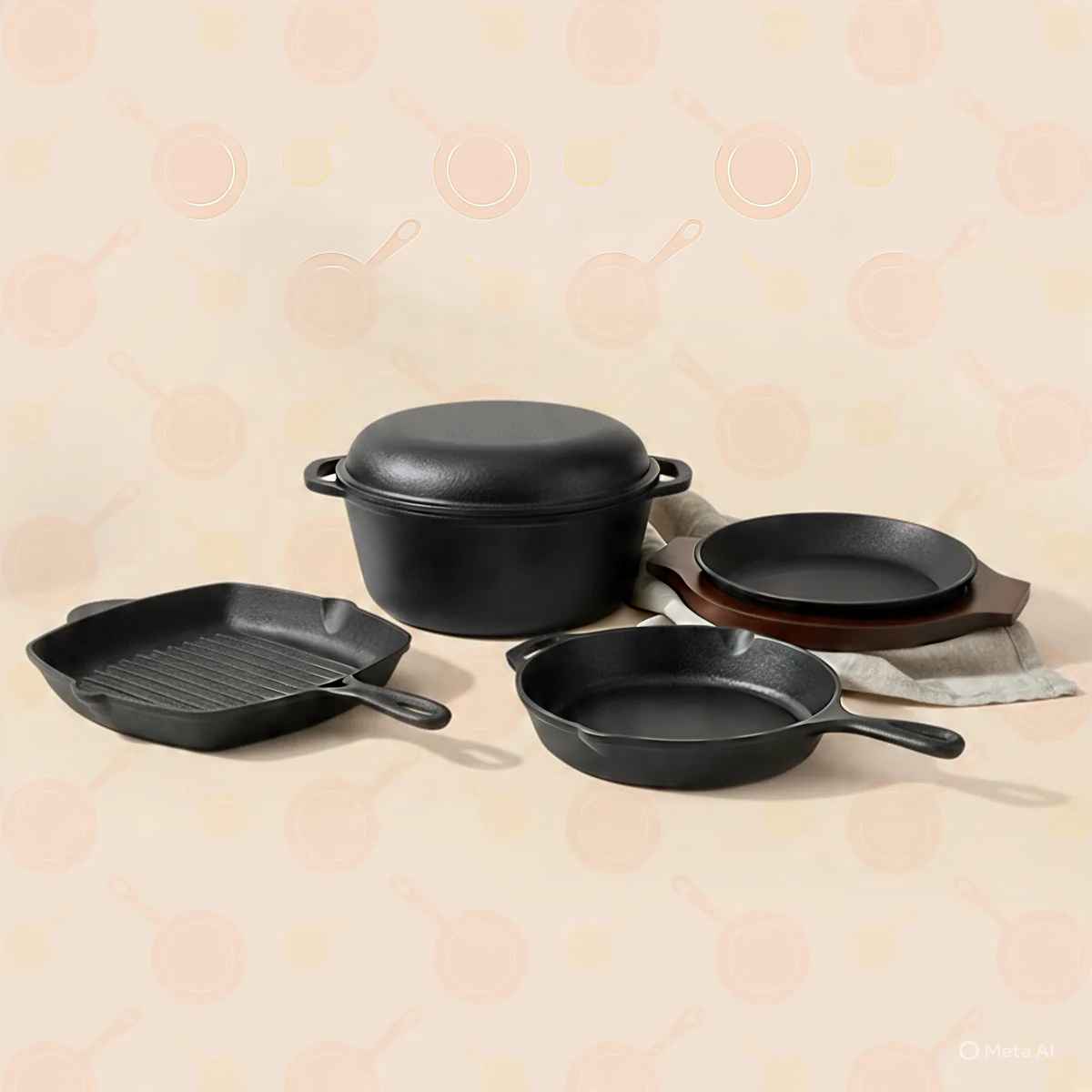
Cast iron isn’t limited to the classic skillet. The category includes Dutch ovens, casseroles, griddle and grill pans, tawas, woks, sizzler plates, muffin pans, and pizza pans — giving cooks the flexibility to use cast iron across an entire menu, from curries to cast iron cornbread.
6. Suitable for Cooking and Serving
Cast iron’s rustic appearance and heat retention make it a natural choice for serving at the table, not just cooking. Many UK pubs and restaurants serve fajitas, sizzling steaks, and shared plates directly in small cast iron skillets for both presentation and practicality.
7. Genuinely Versatile Cooking Performance
From searing steaks and sautéing vegetables to frying eggs, grilling kebabs, and baking skillet desserts, cast iron handles high-heat searing and low, slow cooking equally well. Its strength and heat stability make it one of the few pans that moves confidently between hob, oven, and grill.
8. Adds Small Amounts of Dietary Iron to Food
Cooking acidic or moisture-rich foods (like tomato-based sauces) in bare cast iron can transfer small amounts of dietary iron into meals — a modest but genuine nutritional bonus, particularly useful for households managing iron intake.
Cast Iron Cookware Buying Checklist for UK Kitchens
- Hob type: confirm induction compatibility if relevant
- Pre-seasoned vs bare: pre-seasoned cast iron is ready to use faster
- Weight: larger cast iron pans are heavy — check handle grip and your own comfort lifting a full Dutch oven
- Enamelled vs bare cast iron: enamelled needs no seasoning and resists rust, but bare cast iron builds better natural non-stick over time and is typically more affordable
- Oven-safe rating: check maximum oven temperature, especially for lids and handles
Summary
Cast iron cookware combines durability, versatility, and reliable cooking performance in one material. When properly seasoned and maintained, it becomes a long-lasting kitchen tool that supports a wide range of cooking methods — from everyday frying to slow-braised Sunday roasts — while delivering consistent results for years, and often decades, to come.
Shop the full Cast and Craft cast iron cookware range — skillets, Dutch ovens, griddles and grill pans — with free UK delivery over £70.
FAQ
Is cast iron cookware good for induction hobs?
Yes. Cast iron is magnetic and naturally compatible with induction hobs, making it one of the few traditional cookware materials that works across gas, electric, ceramic, and induction without an adapter.
How long does cast iron cookware last?
With proper seasoning and care, cast iron cookware can last for decades and is often passed down through generations, making it one of the most durable materials in any UK kitchen.
Is cooking with cast iron cookware healthy?
Cast iron contains no synthetic non-stick coatings and can add small amounts of dietary iron to food during cooking, particularly with acidic or moisture-rich dishes like tomato-based sauces.
What’s the difference between enameled and bare cast iron?
Enamelled cast iron has a glazed coating that needs no seasoning and resists rust, while bare cast iron requires seasoning but develops a naturally non-stick surface and is generally more affordable.
Can cast iron cookware go in the oven?
Yes, cast iron is fully oven-safe, which is why it’s commonly used for hob-to-oven recipes, roasting, and baking. Always check the maximum temperature rating for lids and any silicone handle covers.
Do I need to season cast iron cookware regularly?
Bare cast iron benefits from occasional reseasoning, especially after acidic cooking or if food starts sticking. A thin layer of oil after each wash maintains the seasoning between deeper treatments.
Leave a Reply