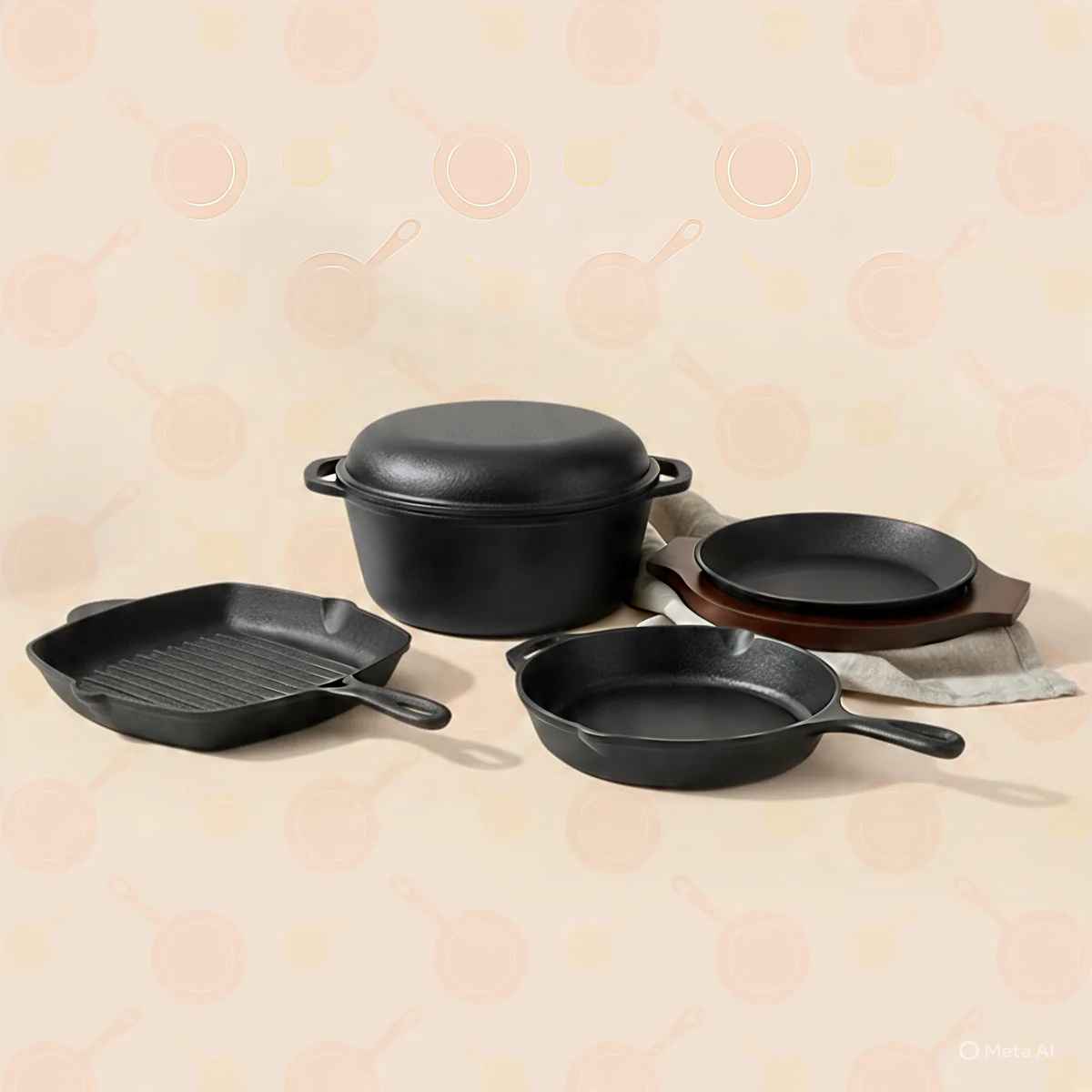
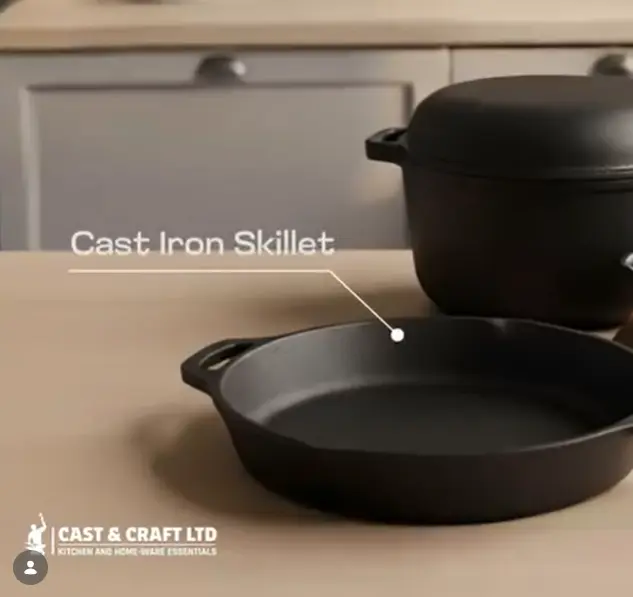
Cast iron cookware has remained a trusted kitchen tool for generations. Its durability, cooking performance, and versatility make it a practical choice for both home kitchens and professional cooking environments.
Excellent Heat Retention
Cast iron retains heat for longer periods compared to most cookware materials. This allows food to cook evenly and helps maintain consistent temperature across the entire surface of the pan. Because of this property, cast iron is suitable not only for cooking but also for serving food while keeping it warm.
Compatible with Multiple Heat Sources
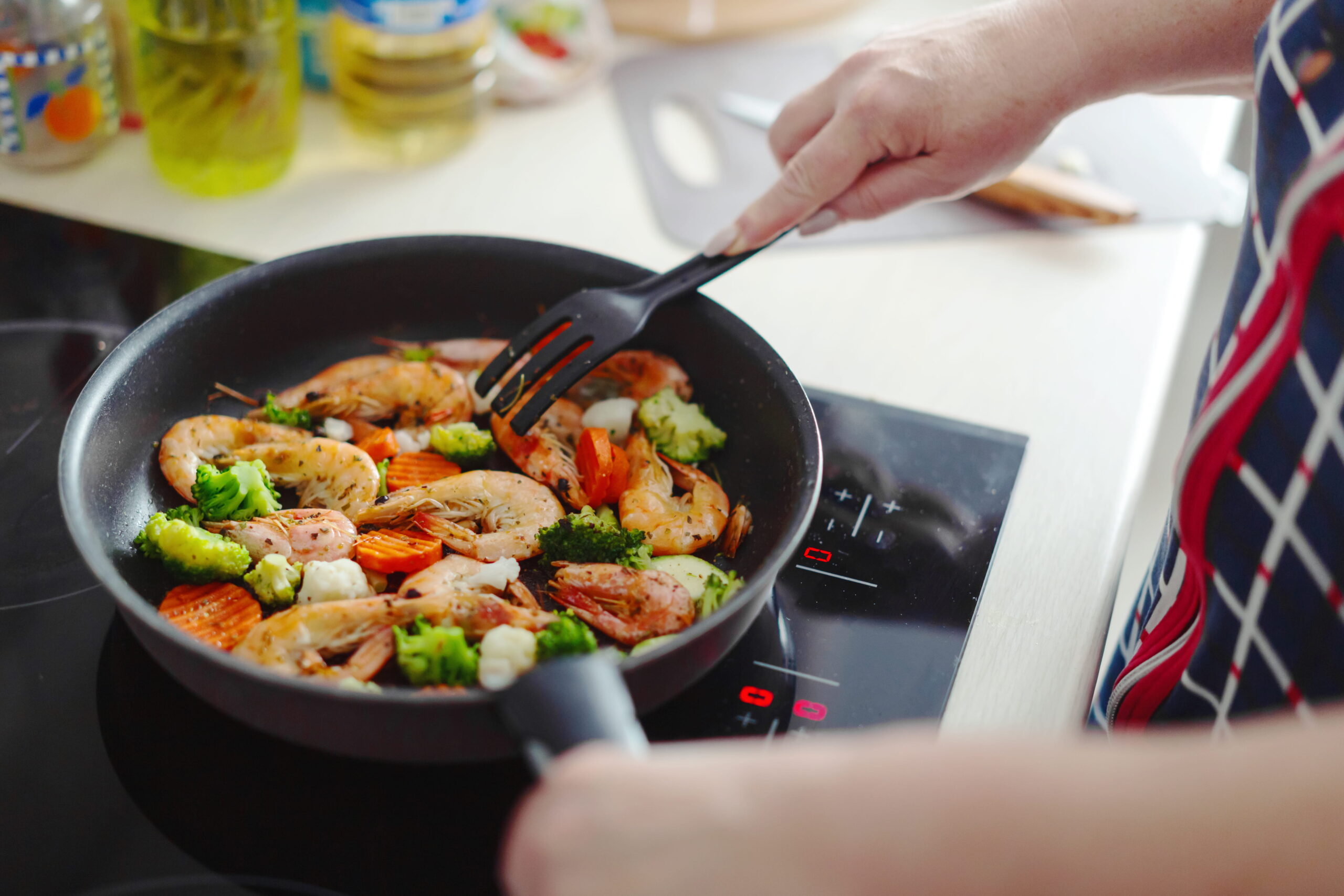
One of the main advantages of cast iron is its versatility. It can be used on various cooking surfaces, including gas, electric, and induction stovetops. It also performs well over open flames such as campfires and can be placed directly inside an oven for baking or roasting.
Simple Maintenance
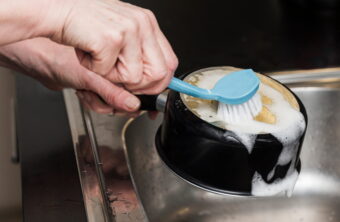
Once the basic care routine is understood, cleaning cast iron becomes straightforward. As the seasoning layer develops over time, the surface naturally becomes more non-stick, making food release easier and cleaning simpler.
Long-Term Value
Although cast iron cookware may have a higher upfront cost compared to some alternatives, it is designed to last for decades. With proper care, many pieces are passed down through generations, making it a cost-effective long-term investment.
Wide Variety of Cookware Types
Cast iron is available in many different forms beyond traditional skillets. These include pots, griddles, baking dishes, pizza pans, cake pans, and more. This variety allows cooks to use cast iron across a wide range of cooking styles and recipes.
Suitable for Cooking and Serving
Many people appreciate cast iron not only for cooking but also for presentation. Its appearance and heat retention make it suitable for serving dishes directly at the table. Some restaurants even use small cast iron skillets as serving dishes for certain meals.
Versatile Cooking Performance
Cast iron cookware can handle a wide range of cooking techniques. It can be used for grilling steaks, sautéing vegetables, frying eggs, preparing kebabs, baking skillet desserts, and much more. Its strength and heat stability allow it to perform well across many types of recipes.
Adds Small Amounts of Iron to Food
Cooking in cast iron can introduce small amounts of dietary iron into meals. This can be beneficial since iron plays an important role in maintaining overall health and preventing iron deficiency.
Summary
Cast iron cookware combines durability, versatility, and reliable cooking performance. When properly maintained, it becomes a long-lasting kitchen tool that supports a wide range of cooking methods while offering consistent results.